About ClayDish
ClayDish focuses on the practical process of turning workable clay into simple ceramic tableware while learning how moisture, pressure, thickness, joins, drying, and finishing affect each piece.
Learn Through Simple Forms
Small bowls, cups, plates, and dishes give beginners enough structure to practice useful techniques without hiding problems inside complicated shapes. Each form becomes a way to observe how clay responds to the hands.
Repeat, compare, and adjust one detail at a time.
Control Before Decoration
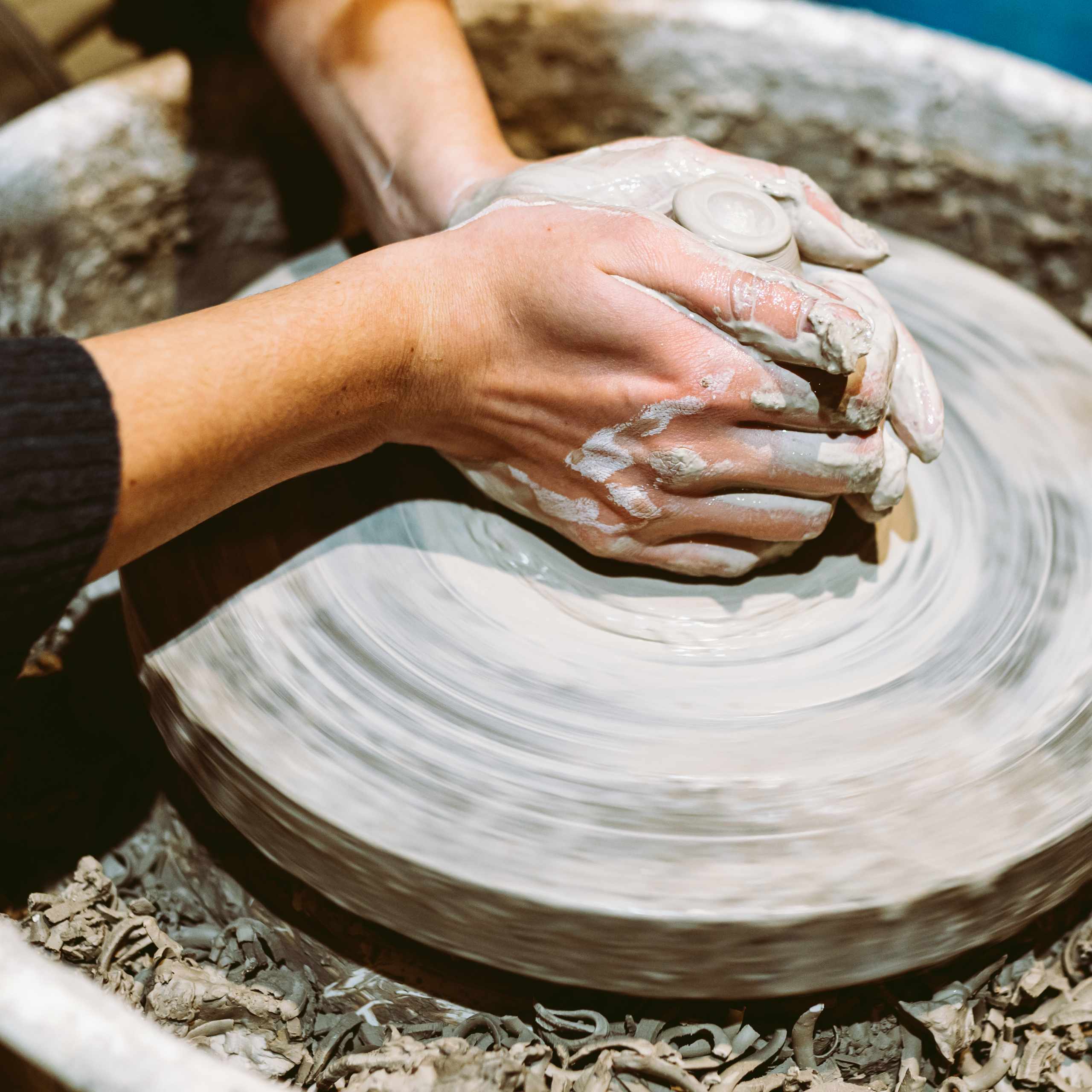
Early practice gives more attention to wall thickness, clean rims, stable bases, secure joins, and controlled drying before surface texture or glaze becomes the main focus.
Understand How Clay Changes
Clay behaves differently when freshly worked, leather-hard, fully dry, bisque fired, and glazed. Recognizing those stages helps make decisions about smoothing, attaching, refining, drying, and preparing a piece for firing.
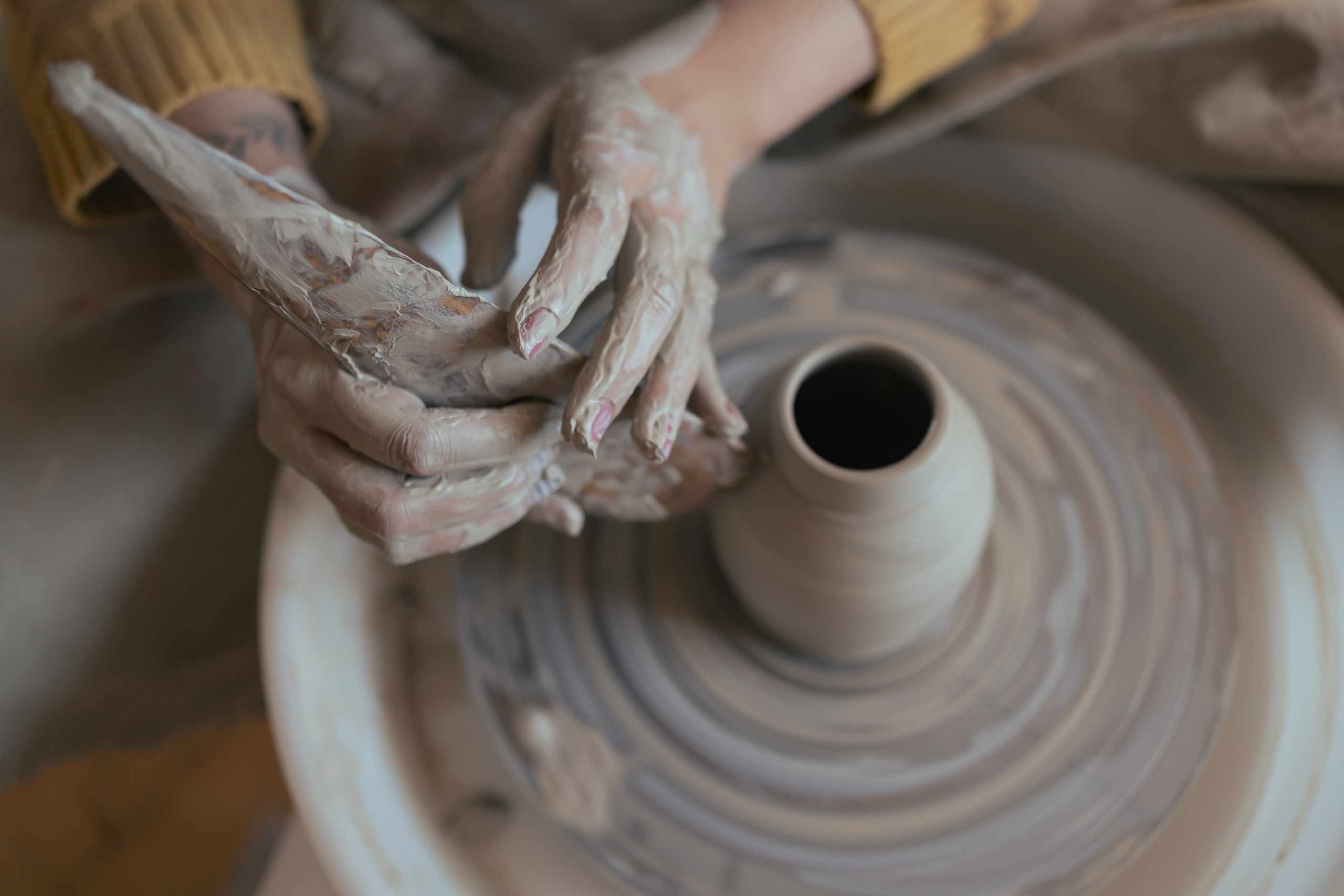
A slightly uneven bowl can reveal where pressure changed. A cracked handle can point to a weak join or mismatched moisture. A warped slab can show how drying affected a flat form.
By checking the rim, base, wall thickness, joins, and surface at each stage, beginners can connect visible results with the way the clay was handled.
How Clay Practice Is Built
Each part of the approach focuses on a different decision that affects the strength, balance, and finish of handmade tableware.
Prepare The Clay
Work with manageable clay and pay attention to moisture before shaping, rolling, joining, or refining a form.
Shape With Control
Use pinch, coil, or slab methods while checking pressure, wall thickness, rim shape, and overall proportion.
Check The Details
Inspect bases, edges, handles, and scored joins so small weaknesses can be noticed before the piece dries.
Finish With Care
Treat drying, bisque preparation, glaze coverage, and clean firing surfaces as part of the making process itself.